Release time : 2026-06-03 Source :Shaanxi, Gansu Government; Qinghai Provincial Development and Reform Commission; People's Government of Ningxia Hui Autonomous Region; People's Government of Xinjiang Uygur Autonomous Region; Sichuan
Over the past few weeks, we have successively reviewed hydrogen-related development plans from 14 provincial-level regions, including Beijing, Hebei, Shanghai, and Jiangsu.
Today, we bring you a summary of the hydrogen-related highlights from the remaining provinces and regions.
Details are as follows:
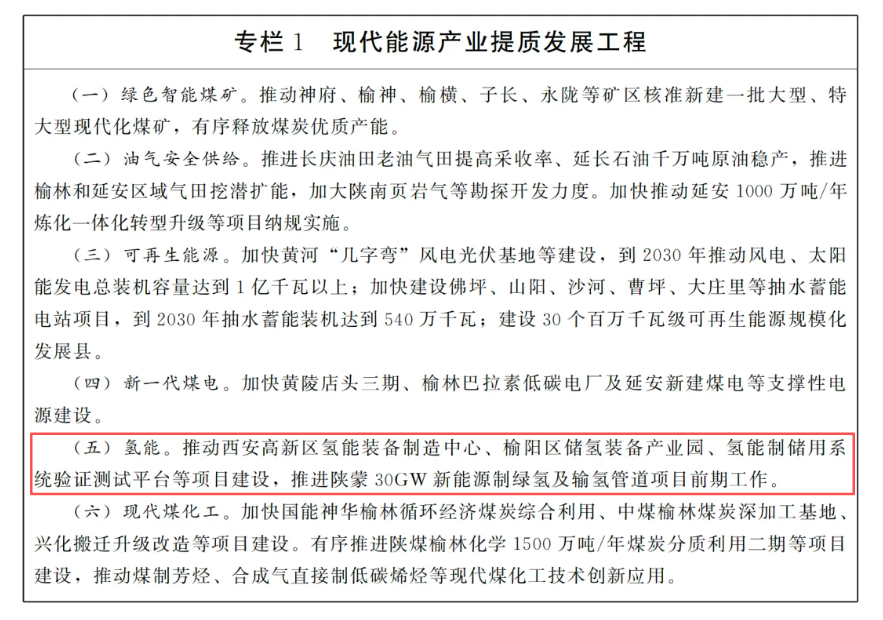
Shaanxi will accelerate the construction of charging infrastructure, improve charging networks in rural areas and along expressway service corridors, and upgrade public charging facilities. Large-capacity fast-charging facilities will also be planned and developed according to local conditions.
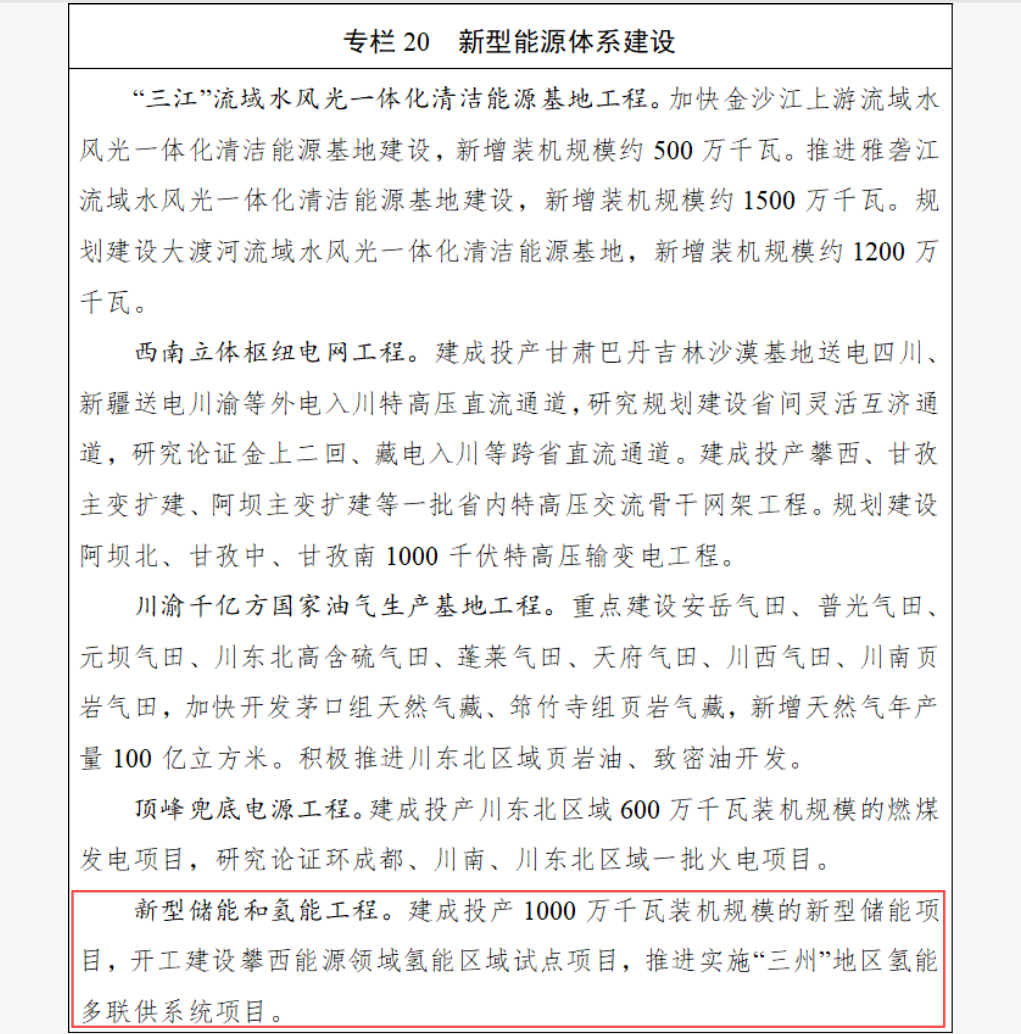
At the same time, the province will establish a convenient and efficient hydrogen refueling network through the construction, expansion, and upgrading of a number of hydrogen refueling stations.
Efforts will also focus on optimizing the layout of long-distance oil and natural gas pipeline networks across the province. The natural gas pipeline system serving areas surrounding Guanzhong and southern Shaanxi will be further improved, while connections between provincial pipeline networks and the national pipeline system will be strengthened. These initiatives aim to create a comprehensive natural gas transmission backbone network featuring interconnected trunk and branch lines and a strategic framework described as "Three Rings, Four Vertical Corridors, and Five Horizontal Corridors", extending across the province from north to south and east to west.
Shaanxi will establish a new mechanism to transition from the traditional dual-control system for energy consumption toward a comprehensive dual-control system for carbon emissions. This framework will implement controls over both total carbon emissions and carbon intensity while continuing efforts to reduce energy intensity.
The province will introduce a carbon emissions budgeting system and improve policy frameworks and management mechanisms covering:
A more comprehensive carbon emissions statistical and accounting system will also be established.
In addition, Shaanxi will develop an ecosystem carbon sink accounting framework, assess carbon sink resources across forests, grasslands, wetlands, and farmland, and enhance the carbon sequestration capacity of natural ecosystems.
The province will actively participate in the development of China's national carbon emissions trading market and the national voluntary greenhouse gas emissions reduction market.
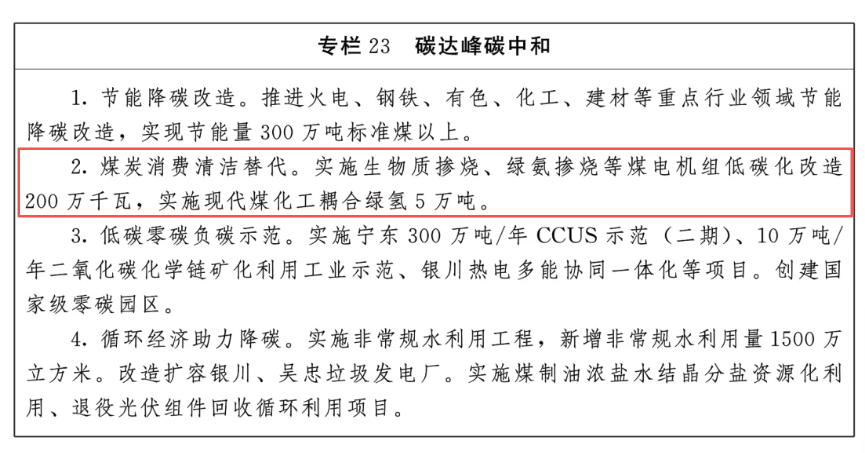
In line with the State Council's Action Plan for Carbon Peaking Before 2030, Shaanxi will focus on controlling the consumption of fossil fuels—particularly coal—and promote the peaking of both coal and oil consumption.
Key measures include:
Expanding energy cost management mechanisms within public institutions.
The province will also accelerate circular economy upgrades in industrial parks and develop a number of national- and provincial-level zero-carbon industrial parks.
Pilot carbon-peaking initiatives will continue in Yulin and the Xixian New Area, while stricter oversight will be applied at the project approval stage through mandatory energy-efficiency reviews and carbon emissions assessments for fixed-asset investment projects.
Furthermore, Shaanxi will strengthen the management of high-energy-consumption and high-emissions ("Two Highs") projects and strictly implement national requirements mandating equivalent or reduced carbon emissions replacement for newly built, expanded, or renovated industrial projects within these sectors.
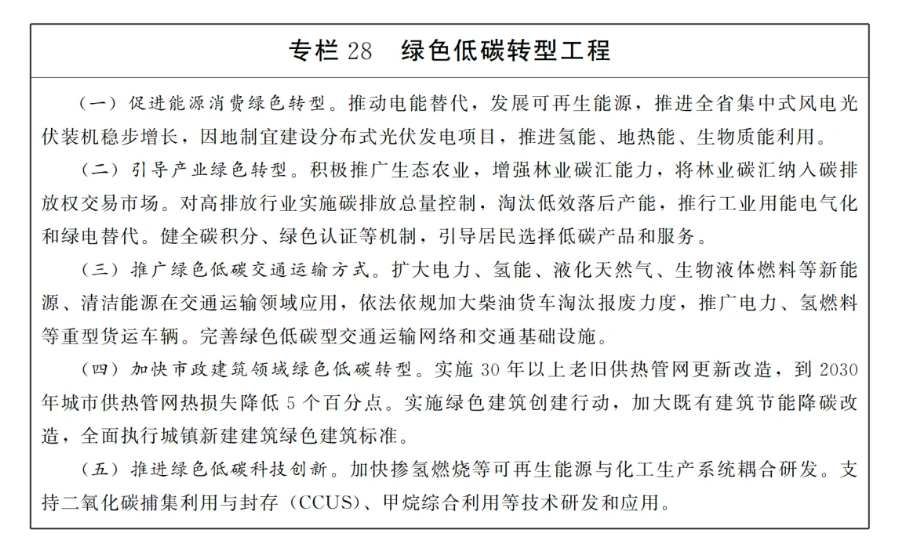
Guangdong will accelerate the development of non-fossil energy sources through a diversified energy mix encompassing wind, solar, hydropower, and nuclear power.
The province will:
Guangdong will also:
The province will actively promote the integrated development of distributed solar PV across multiple sectors and develop clean energy sources such as:
Efforts will be strengthened to support local development and utilization of distributed energy resources.
To ensure energy security, Guangdong will:
By 2030:
The province will further accelerate the construction of a modern smart grid by:
Additional initiatives include:
Guangdong will promote the clean and efficient use of coal and advance coal-fired power plant retrofits and upgrades.
The province will explore technologies including:
To accelerate the energy transition, Guangdong will:
The province will also encourage innovative energy supply-demand models, including:
To improve public energy services, Guangdong will:
Guangdong will accelerate the development of:
The province aims to establish the Guangdong–Hong Kong–Macao Greater Bay Area as a leading green and low-carbon industrial cluster.
Priority will be given to research and development of core technologies and equipment in future-oriented industries such as:
Guangdong will:
The province will also expand integrated application scenarios involving:
Guangxi will continue increasing the share of renewable energy and accelerate the construction of a new power system.
The region will pursue coordinated development of:
Key measures include:
Guangxi will also:
The region will further:
To strengthen regional energy security, Guangxi will:
Guangxi will vigorously promote the application of energy-related scientific and technological innovation.
The region will encourage the coordinated development of the energy sector with the modern industrial system and cultivate industrial clusters in areas such as:
At the same time, Guangxi will:
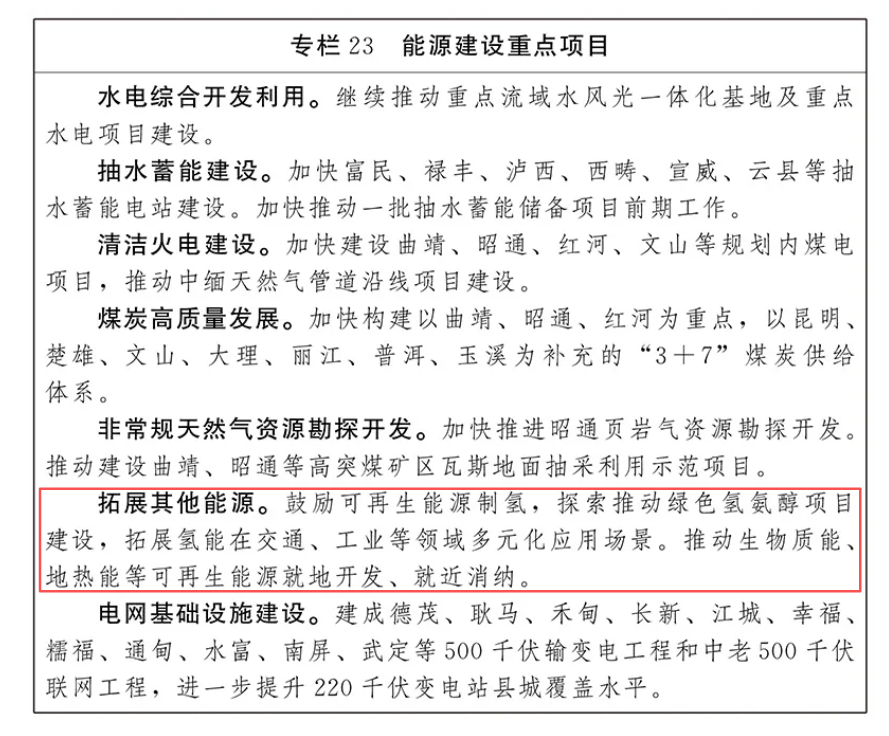
Hainan will strengthen its hydrogen industry's innovation capabilities and continue advancing breakthroughs in key core technologies across the entire hydrogen value chain, including production, storage, transportation, and utilization.
The province will systematically promote:
To expand clean and low-carbon hydrogen supply, Hainan will develop hydrogen production pathways tailored to local conditions, including:
The province will also promote the integrated development of electricity, hydrogen, ammonia, and methanol (Power-to-Hydrogen-Ammonia-Methanol integration).
Hainan will continue broadening the application of hydrogen energy across multiple sectors by:
Through these measures, Hainan aims to establish a more complete hydrogen industry ecosystem and accelerate the commercialization of hydrogen technologies as part of its future-oriented industrial development strategy.
Exhibitor/Conference Consultation
Contact: Ms. Becky CHEN
Tel: +86 15910580218
Email: becky@cntigerexpo.com
Exhibitor Consultation
Contact: Mr. Lito HU
Tel: +86 13601321637
Email: lito.hu@cntigerexpo.com
Exhibitor Consultation & Media Cooperation
Contact: Ms. Yasmin ZHENG
Tel: +86 13621183385
Email: zhengyaxin@cntigerexpo.com